What to check before booking tours by locals Barcelona
Booking a local-led tour in Barcelona sounds simple: choose a route, pick a time, and show up. The details matter more than they first appear. A good local insight can turn a few streets into a memorable afternoon, while a poor fit can leave you rushed, bored, or far from the parts of the city you hoped to see. Before committing, look past the headline and check what the experience actually involves.
Start with the route, not the label
Tour names can be vague. A title that mentions Barcelona, local life, or authentic experiences may cover anything from a slow neighborhood walk to a packed route through major sights. Read the route description closely and note the areas named. If you want the narrow lanes and independent shops of El Born district, make sure that area is part of the plan rather than a brief pass-by. If the draw is food markets, check whether the route includes time to look around, taste, and ask questions, or simply stops outside for a short explanation.
Also consider walking routes in practical terms. How long is the walk, and is it mostly flat or does it involve steep streets and stairs? Barcelona is walkable, but heat, cobblestones, and crowded pavements can change the feel of a route. A compact walk with regular pauses often works better than a long route that tries to cover everything. The best tours by locals Barcelona visitors enjoy tend to have a clear sense of place, not just a list of stops.
Check what makes the local perspective local
The word local is used widely in travel, so it helps to look for specifics. Does the description explain the angle of the tour, such as everyday life in a neighborhood, architectural heritage, or cultural anecdotes tied to particular streets? A meaningful local-led experience usually has a point of view. It may focus on how a district changed, why a market matters to daily routines, or how certain buildings fit into the city's history.
Be cautious if the description relies only on broad promises. Phrases like hidden gems can be appealing, but they mean little without context. Look for concrete details: a quiet square, a workshop area, a family-run food stop, or a building with a story. At the same time, remember that a lesser-known place is not automatically better. Some famous sites are famous for a reason, and a strong local guide can make a familiar stop feel fresh by connecting it to daily life.
Look closely at group size and pace
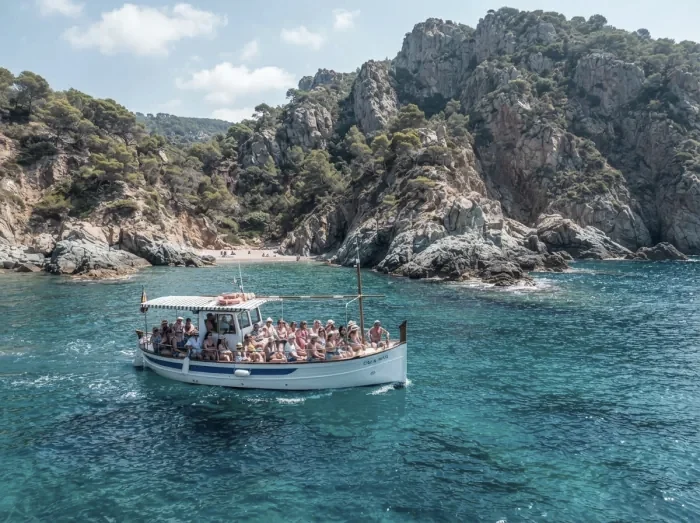
Group size changes the experience more than many travelers expect. A smaller group makes it easier to ask questions, hear clearly, and pause without feeling rushed. A larger group may move more slowly at busy stops and can make conversation difficult. If the listing does not state a group size, that absence is worth noting before booking.
Pace matters too. Some people want a brisk introduction with plenty of landmarks. Others prefer a slower walk with time for photos, coffee, or spontaneous questions. Check whether the route includes breaks and whether the pace is described as relaxed, moderate, or active. If you are booking with children, older travelers, or anyone who needs shorter walking stretches, this check becomes even more important.
When comparing options on privatetourinbarcelona.com, keep the route description beside the practical details. A tour that sounds interesting on paper may not suit your pace, and a shorter walk may deliver more if it gives you room to notice the city. This is also where you can judge whether the experience is built around genuine local insights or simply a string of recognizable names.
Confirm language, timing, and meeting details
Language is a basic but easy-to-miss point. Confirm which language the tour is delivered in, and whether questions are welcome during the walk. If your Spanish or Catalan is limited, a tour in a language you understand will make the cultural anecdotes far easier to follow. For bilingual visitors, check whether the route switches languages or whether separate versions are available.
Timing also deserves attention. Early walks can be quieter and more comfortable in warm months, while late afternoon may suit food-focused routes. Check the start time, duration, and what happens if you arrive a little late. A clear meeting point is useful, especially in busy areas where several groups may gather nearby. If the meeting details are unclear, ask before booking rather than trying to solve it on the day.
Weather can shape the experience as well. Barcelona streets can be hot in summer and slick after rain. A route with sheltered stops may be more comfortable in poor weather, while an open-air walk may be pleasant on a clear morning. Check whether the plan changes in bad weather, and think about what you would prefer if the conditions are not ideal.
Read reviews for patterns, not praise
Reviews are most useful when you look for repeated details. One comment about a great stop is helpful, but several comments about clear storytelling, good pacing, or thoughtful answers tell you more. Pay attention to complaints as well. Repeated mentions of confusion at the meeting point, too much time in shops, or a route that felt rushed are warning signs.
Try to separate personal taste from genuine problems. A reviewer who wanted more nightlife from a history walk may simply have booked the wrong experience. By contrast, several reviewers describing the same mismatch between the listing and the actual route suggests a deeper issue. Look for feedback that names what happened, not just whether the reviewer liked it.
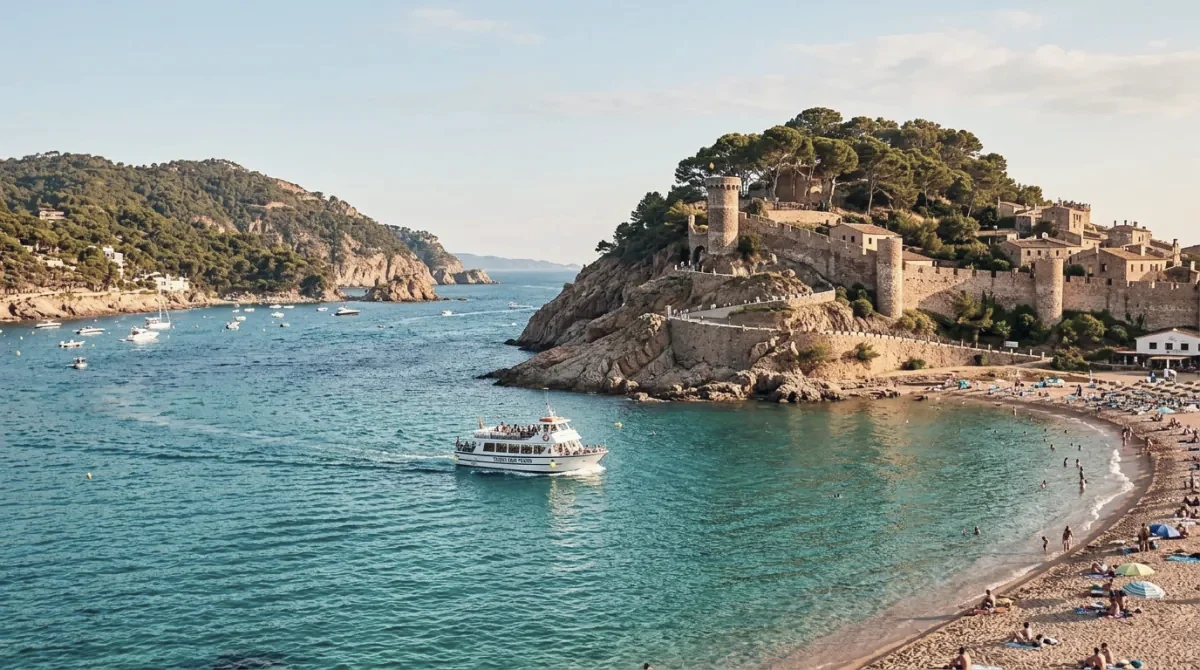
Images can help here too. Check that photos show the kind of setting and group style you expect. A few well-chosen pictures of streets, markets, or architectural details can reveal more than a polished banner. If every image looks like a standard publicity shot, the listing may give you less useful information about the actual experience.
Know what is included and what is not
Before paying, clarify what the booking covers. Does the listed time include all stops and any breaks? Are tastings, entry tickets, or transport included, or are they separate? This is not about hunting for a bargain. It is about avoiding surprises that change the value of the day.
Check whether the tour ends in a different place from where it starts. That detail affects the rest of your plans, especially if you need to reach another neighborhood or return to your accommodation. If the ending point is not named, ask. A route that finishes near a metro station or a central square can be easier to combine with lunch or an afternoon of exploring.
Accessibility is another practical point. Some old streets, market areas, and historic buildings can be awkward for wheelchairs, strollers, or anyone who finds uneven ground difficult. If access matters, ask for specifics rather than relying on a general statement. Stairs, steep slopes, and crowded pavements are not always obvious from a route map.
Match the tour to the kind of day you want
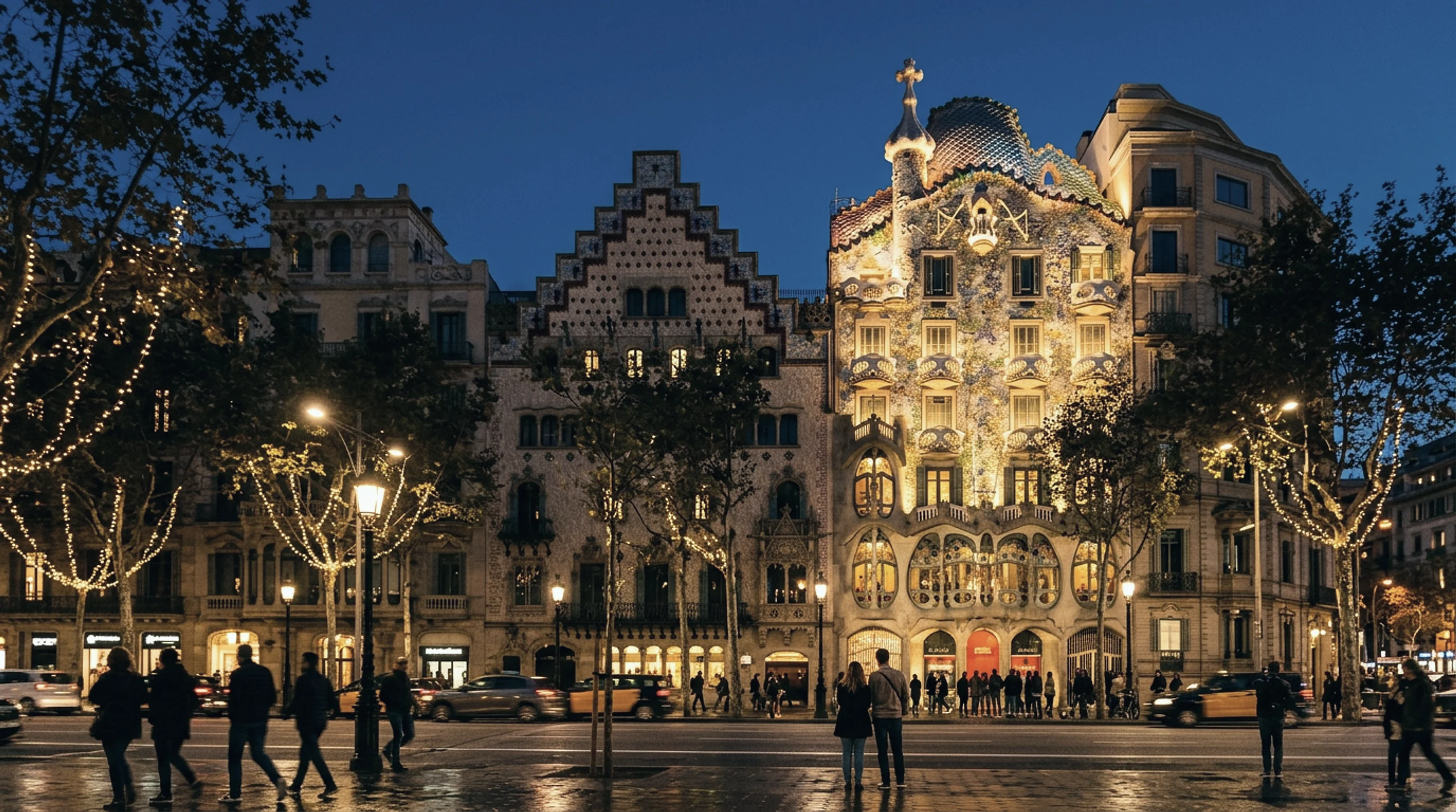
A first visit to Barcelona may call for a broad introduction, while a return visit can focus on one district or theme. Food markets suit travelers who enjoy browsing and tasting. Architectural heritage works well for people who like reading buildings and streets closely. A neighborhood walk may be best for those who want local insights without a lecture.
Think about how the tour fits around the rest of the itinerary. A morning walk may pair well with a long lunch, while an evening route may work better after a quiet afternoon. Avoid stacking too many structured activities into one day. Some of the most memorable parts of a city appear in the gaps between plans, when there is time to sit, look, and follow a small curiosity.
That balance is worth remembering when browsing privatetourinbarcelona.com. The right choice is not always the tour with the longest route or the most famous stops. It is the one that fits your interests, your pace, and the way you like to understand a place.
A few quick checks before you confirm
- The route names real areas and stops, with enough detail to picture the day.
- The local angle is specific, whether it centers on food, architecture, neighborhood life, or stories behind the streets.
- Group size, pace, language, duration, meeting point, and ending point are clear.
- Reviews mention consistent strengths, and any repeated complaints feel manageable.
- Inclusions, accessibility, and weather plans are understood before payment.
Once these points line up, booking feels less like a leap of faith. You know what kind of walking you are signing up for, what kind of local perspective you can expect, and how the tour fits into your wider time in Barcelona. That preparation leaves more room for the part that matters: paying attention once you are out in the city.